
A Strong Start at Our FS2 Nursery Dubai

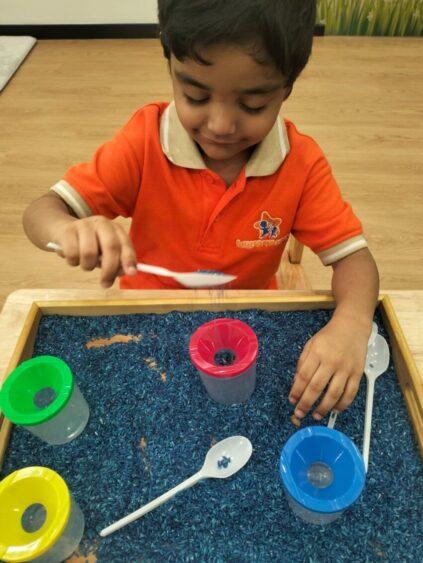
Our nurturing environment lays the foundation for lifelong learning through sensory play using safe, natural, and age-appropriate resources. Floor-based exploration encourages rolling, crawling, sitting, and early standing, while songs, rhymes, and storytelling build early communication and listening skills.
Every child is carefully observed to understand their unique interests and developmental stage, allowing us to create meaningful learning experiences that support individual growth. Inspired by best practices in early childhood education in DSO, our approach nurtures confidence, curiosity, and essential developmental milestones.
We also believe parents are a child’s first and most important educators. By working closely with families, sharing regular observations, and maintaining consistent routines whenever possible, we create a secure, supportive environment where every child can thrive both at home and in our nursery.



Age-Appropriate Toddler Learning at Our FS2 Nursery Dubai
Children typically transition into our Toddler room between the ages of one and two in a calm, familiar, and supportive way. Consistent routines, caring educators, and a secure environment help every child feel confident as they begin this exciting stage of age appropriate learning.
Designed to inspire curiosity, our Toddler room encourages hands-on exploration, creativity, and independent discovery. Through play-based experiences and Montessori-inspired activities, children develop language, motor, cognitive, and social skills at their own pace.
Our experienced educators carefully observe each child’s progress and tailor learning experiences across all areas of the EYFS curriculum, ensuring every milestone is supported. This child-centred approach is one of the reasons families choose us as a best Montessori nursery in Dubai for early years education.
We value strong partnerships with parents and carers by maintaining open communication, sharing developmental updates, celebrating achievements, and working together to provide a consistent, nurturing environment where every child can flourish.


Pre Foundation Stage: Building Confidence Through Play
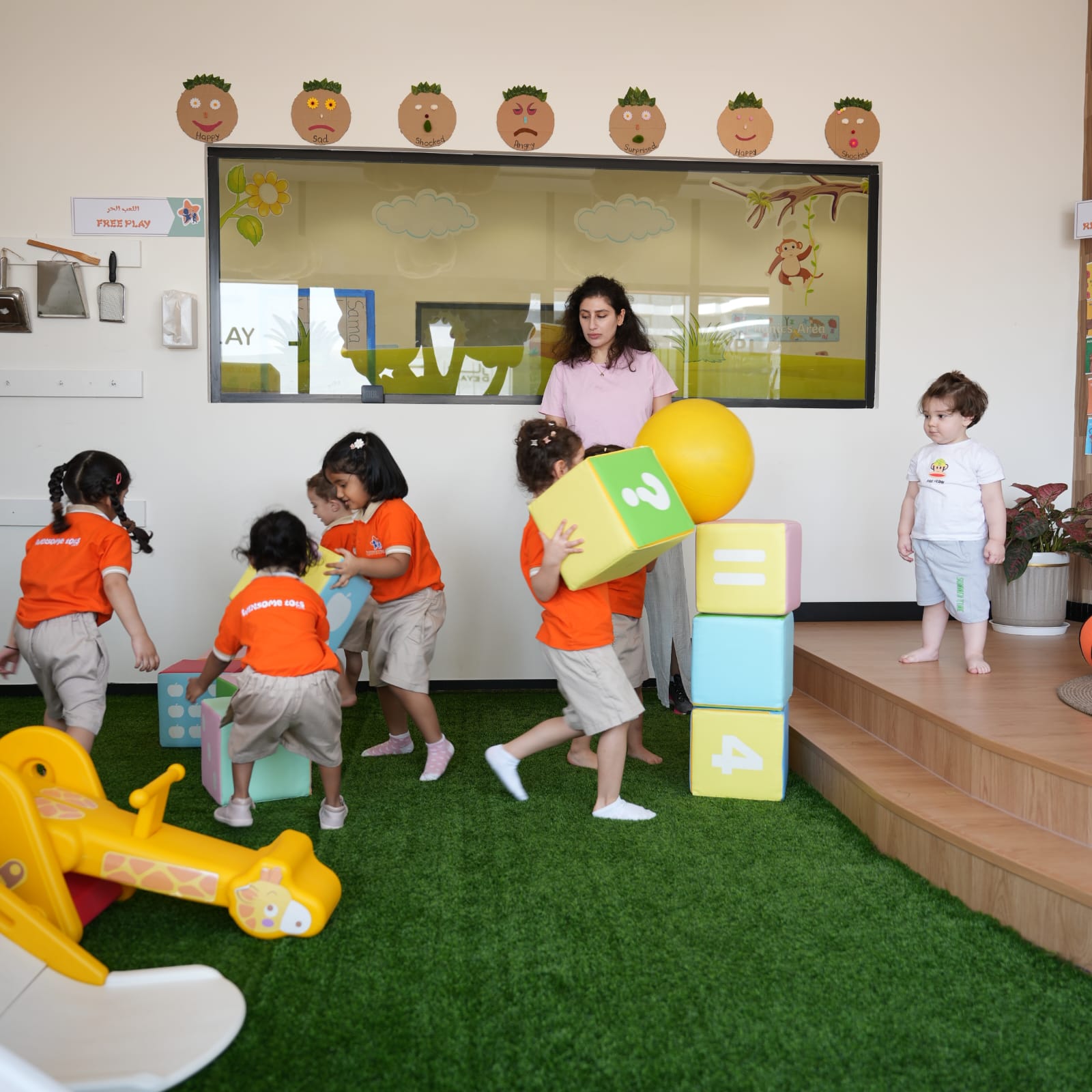
Children typically move into our Pre Foundation Stage classroom in the term after they turn two. In this warm and nurturing environment, we provide age appropriate learning experiences that help every child feel safe, valued, and encouraged to explore with confidence.
A balanced daily routine introduces greater structure while remaining flexible to each child’s individual needs. This helps children develop independence, confidence, and a sense of security as they prepare for the next stage of their early years journey.
Following the EYFS framework, our curriculum combines child-led exploration with guided learning experiences. Inspired by best practices in early childhood education in DSO, our educators plan purposeful activities based on each child’s interests while introducing new concepts through engaging, hands-on experiences.
Our dedicated team builds strong, trusting relationships with both children and their families, ensuring consistent care, open communication, and a supportive learning environment where every child can grow, discover, and thrive.


Foundation Stage 1: Preparing Children for School Success
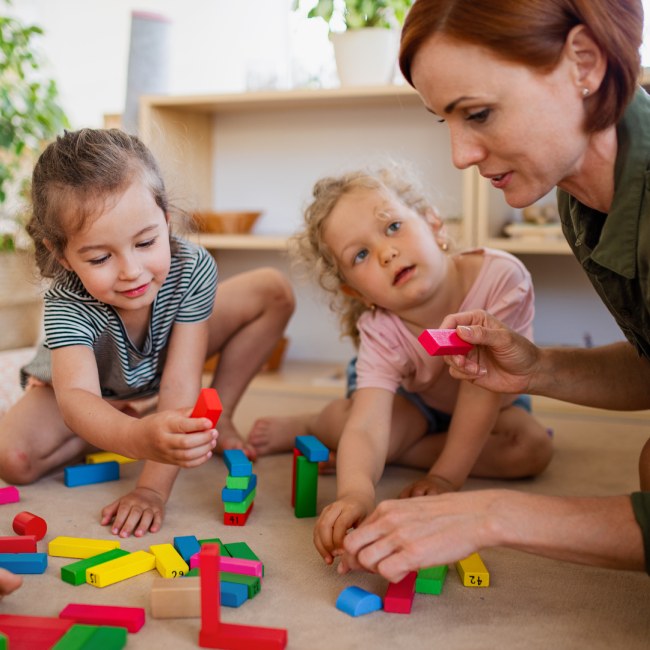
Our Foundation Stage 1 (FS1) classroom supports children aged three to four as they prepare for the next exciting milestone in their educational journey. As part of our FS2 nursery Dubai pathway, we help children build independence, confidence, and the essential skills needed for a smooth transition into Reception and beyond.
The daily routine provides a healthy balance of structure and play-based learning, encouraging curiosity, creativity, and problem-solving. Following the EYFS framework and inspired by best practices in early childhood education in Dubai, our curriculum nurtures every aspect of a child’s cognitive, social, emotional, and physical development.
A strong emphasis is placed on early phonics, listening skills, sound recognition, early blending, and language development, while our educators carefully observe each child’s interests to create meaningful learning experiences that extend their understanding and confidence.
We believe parents are valuable partners in every child’s success. Through regular communication, shared progress updates, and collaborative support, we ensure every child feels secure, motivated, and fully prepared for the transition to Foundation Stage 2 and primary school.
Reception: Inspiring Confident & Independent Learners
Our Reception programme, part of our FS2 nursery Dubai journey, provides children with a stimulating and supportive environment where they are encouraged to reach their full potential. Through age appropriate learning, we help children develop confidence, independence, and the essential skills needed for lifelong success.
Whole-class teaching begins from the start of Reception, complemented by engaging, hands-on activities that promote curiosity, creativity, and active participation. Our educators use higher-order questioning to encourage critical thinking, problem-solving, and a growth mindset while nurturing every child’s unique strengths.
Small-group learning sessions provide personalised support and opportunities to extend specific skills and concepts. Teachers introduce new materials, ideas, and differentiated activities that challenge children at the right level, ensuring every learner progresses with confidence and enthusiasm.
By combining structured teaching with play-based exploration, we create a balanced learning experience that prepares children academically, socially, and emotionally for a successful transition into primary school.
What makes your FS2 nursery Dubai program unique?
Our FS2 nursery Dubai program combines the EYFS framework with Montessori-inspired learning, helping children build confidence, independence, creativity, and school readiness.
How do you ensure age appropriate learning for every child?
We provide age appropriate learning by observing each child’s development and planning engaging activities that match their interests, abilities, and individual milestones.
How is your teaching approach inspired by early childhood education?
Our educators follow best practices aligned with early childhood education, delivering engaging, child-centred experiences that support holistic development through play.
What age groups are included in your FS2 nursery Dubai pathway?
Our FS2 nursery Dubai pathway welcomes children from 45 days to 5 years, supporting every developmental stage through nurturing, play-based EYFS learning.